Wednesday, 18 April 2012

Tuesday, 17 April 2012
How did you attract/address your audience?
From my audience
feedback, I found that they were attracted to my media product by multiple
components, for example the setting, storyline, characters and mode of
distribution. All of these have impacts on the attraction of the audience to my
media product. This is a wordle which I collated all of my audience feedback responses into and from this I could see the trending themes.

The setting of my media product could be seen as targetting a specific group or segment of society. For example the urban underground style of setting could attract inner city, urban dwellers to watch my product as they feel a connection to the location and/or they can relate to the issues of the area. Applying the, Uses and Gratifications Theory, we can see that one of the main areas of the theory supports this connection with the need for identity. This need for identity by the audience relating to the characters in the product is an example of how I addressed the audience. My aim was to help the audience define their own sense of self and social behaviour through the portrayal of the characters on the screen. These are screen shots taken from the final exported video where I can show the urban area which I used. This concrete feel and railed theme creates an inner city area highlighted with the use of an underpass as well.

 The storyline of the
media product determines whether people will be attracted to the product via
how interesting or enticing the plot is obviously if the storyline itself is deemed
too complex or overwhelming then the audience could be left in confusion where
as a simple storyline could be to easy to predict and both would cause a sense
of boredom. The pitch of the storyline is crucial and demands skill from the
writer of the screen play.
The storyline of the
media product determines whether people will be attracted to the product via
how interesting or enticing the plot is obviously if the storyline itself is deemed
too complex or overwhelming then the audience could be left in confusion where
as a simple storyline could be to easy to predict and both would cause a sense
of boredom. The pitch of the storyline is crucial and demands skill from the
writer of the screen play.

The setting of my media product could be seen as targetting a specific group or segment of society. For example the urban underground style of setting could attract inner city, urban dwellers to watch my product as they feel a connection to the location and/or they can relate to the issues of the area. Applying the, Uses and Gratifications Theory, we can see that one of the main areas of the theory supports this connection with the need for identity. This need for identity by the audience relating to the characters in the product is an example of how I addressed the audience. My aim was to help the audience define their own sense of self and social behaviour through the portrayal of the characters on the screen. These are screen shots taken from the final exported video where I can show the urban area which I used. This concrete feel and railed theme creates an inner city area highlighted with the use of an underpass as well.


Looking back at your preliminary task, what do you feel you have learnt in the progression from it to the full product?
I consider my
progression from my preliminary task to my actual media product has been
evident and I feel I have learnt many things on this journey. At the start of
the preliminary task I consider my skills were pretty basic as was my sense of
my knowledge and the actual ideas from the brief were, I consider limiting.
There was limited room for creative ideas in the preliminary task unlike the
full product which allowed room to explore the conventions of the thriller genre
opening sequences and to use or defer from them. I can split the progression
and what I have learnt into the three different stages of film-making
pre-production, production and post-production.
 The
reasearch and planning progression has seen the vast improvements in my
knowledge. The preliminary task reasearch consited of
minimal thinking and minimal research this was partly due to there being a
strict product brief in place. However as this was the first stage that I had
to plan or research into a media product, consequently everything that was
achieved was learnt. The planning was formulating the lines of dialogue between
the characters and where and how these would be spoken. Looking back now I can
say that my planning was an area where I learnt about dialogue and how to
represent what I wanted into my media product. The full media product has seen major
improvements in both research and planning which included, questionnaires,
analysing media products both in the opening sequence and the title analysis.
All of this research has taught me about the conventions of the thriller
opening sequences as well as title sequences. The planning aspect of my full
product involved taking what I had learnt in the research and adapting it to
what I wanted to achieve in my media product. I used brainstorming,
storyboarding, location scouting and clothes and props planning.
The
reasearch and planning progression has seen the vast improvements in my
knowledge. The preliminary task reasearch consited of
minimal thinking and minimal research this was partly due to there being a
strict product brief in place. However as this was the first stage that I had
to plan or research into a media product, consequently everything that was
achieved was learnt. The planning was formulating the lines of dialogue between
the characters and where and how these would be spoken. Looking back now I can
say that my planning was an area where I learnt about dialogue and how to
represent what I wanted into my media product. The full media product has seen major
improvements in both research and planning which included, questionnaires,
analysing media products both in the opening sequence and the title analysis.
All of this research has taught me about the conventions of the thriller
opening sequences as well as title sequences. The planning aspect of my full
product involved taking what I had learnt in the research and adapting it to
what I wanted to achieve in my media product. I used brainstorming,
storyboarding, location scouting and clothes and props planning.
 The
production phase saw the same sort of techniques and knowledge as the
preliminary to the full media product. However, I developed my use of the
technology in the preliminary task to my full media product, for example the use
of shot focus. In addition my progressions in filming techniques have been in
many areas: for the preliminary task I used a still camera angle in all of the
three shots. The development to the full media product included the
incoperation of tracking shots following the runner, as well as zooms and the
pulling in and out of focus. The focusing in my final media production is shown on the right as thew runner comes from out of focus to in.
The
production phase saw the same sort of techniques and knowledge as the
preliminary to the full media product. However, I developed my use of the
technology in the preliminary task to my full media product, for example the use
of shot focus. In addition my progressions in filming techniques have been in
many areas: for the preliminary task I used a still camera angle in all of the
three shots. The development to the full media product included the
incoperation of tracking shots following the runner, as well as zooms and the
pulling in and out of focus. The focusing in my final media production is shown on the right as thew runner comes from out of focus to in.

The post-production followed a similar trend with developments of my skills throughout, from the basic preliminary task of shot and reverse shot. The full product has seen the use of many more editing and post production techniques for example fade in and fade out both at the start and the end of the product. The main progression from the preliminary task to the full media product was the incorperation of titles in the second product. This is where I learnt the most and developed the precision of my skills. The skills I had learnt in the preliminary task have just been developed and refined for example I knew the editing technique to cut a clip to a required length however I progressed to be able to use the ripple delete technique to delete more efficiently. The picture to the right of the paragraph shows me using the fade in during Adobe Premiere Pro. The highlighted skill is called cross dissolve and reaches the affect of the a black screen fading into the start of the media product.


 The
production phase saw the same sort of techniques and knowledge as the
preliminary to the full media product. However, I developed my use of the
technology in the preliminary task to my full media product, for example the use
of shot focus. In addition my progressions in filming techniques have been in
many areas: for the preliminary task I used a still camera angle in all of the
three shots. The development to the full media product included the
incoperation of tracking shots following the runner, as well as zooms and the
pulling in and out of focus. The focusing in my final media production is shown on the right as thew runner comes from out of focus to in.
The
production phase saw the same sort of techniques and knowledge as the
preliminary to the full media product. However, I developed my use of the
technology in the preliminary task to my full media product, for example the use
of shot focus. In addition my progressions in filming techniques have been in
many areas: for the preliminary task I used a still camera angle in all of the
three shots. The development to the full media product included the
incoperation of tracking shots following the runner, as well as zooms and the
pulling in and out of focus. The focusing in my final media production is shown on the right as thew runner comes from out of focus to in. 
The post-production followed a similar trend with developments of my skills throughout, from the basic preliminary task of shot and reverse shot. The full product has seen the use of many more editing and post production techniques for example fade in and fade out both at the start and the end of the product. The main progression from the preliminary task to the full media product was the incorperation of titles in the second product. This is where I learnt the most and developed the precision of my skills. The skills I had learnt in the preliminary task have just been developed and refined for example I knew the editing technique to cut a clip to a required length however I progressed to be able to use the ripple delete technique to delete more efficiently. The picture to the right of the paragraph shows me using the fade in during Adobe Premiere Pro. The highlighted skill is called cross dissolve and reaches the affect of the a black screen fading into the start of the media product.


The overall
progression from the preliminary task to my full media product I consider as
being the progression of my basic skills to a more advanced level and with the
A2 course they will be advanced further as I’m allowed time with the specific
equipment to understand and learn about it.
The music that was used in my media product was very
influential in attracting the 15-45 categories. It was a classical, peaceful,
serene piece of music that appealed to the top bracket of the 15-45 categories which
would be more likely to listen to that type of music. This music would be less
known by the lower brackets of the categories unless they were into this type
of music genre.
The characters as
well cover nearly the entire spectrum of the category as I have both a mix from
the younger ages of the category in the form of the jogger and also the victim
which has a less dominate role but will still be portrayed and therefore people
can relate to this. The perceived view in that the first actor the young jogger
is seen can also relate to anyone outside of the bracket that indulges in
physical activities or running especially. Another way in which people outside
my target category of 15-45 can be attracted by my media product is through the
feeling of loss. This is through the jogger seeming to find someone they know
either dead or hurt and a feeling of loss is created. This is possibly the
deepest and strongest attraction that an audience can gain from my media
product.
How does your media product represent particular social groups?
These are pictures of the represented social groups firstly of middle ages women and secondly of youth:


Monday, 16 April 2012
Sunday, 11 March 2012
Shooting Schedule (Final)
Final Edit:
Shooting-
Shooting-
Date: Wednesday 14th March 2012 , Evening 5 till
Location: Clifton Bridge
Shooting: It will film the entire final edit including the imagery shots that will be used in the title sequence.
Equipment: Camera, Tripod
Characters: Male (jogger), Female (body)
Weather: The weather is predicted as being warm with clear sunny skies. This will make the lighting good and improve the quality.
Editing 1-
Date: Friday 16th March 2012, Morning 9 till 12
Location: Media Room
Editing: I will edit together the clips as a whole from starting to finish so that when i next come to edit i can develop the opening sequence further.
Equipment: Adobe Premiere Pro, Memory Card.
Friday, 9 March 2012
Thursday, 1 March 2012
Costumes

 There was a lot of planning that went into my final costume for my production; I linked this with the target audience and the image I wanted the character to portray, as well as unforeseeable factors such as the weather. I had thought about the costume and first off the image in which I wanted to be constructed around the character. The first idea was to have short, specially designed running shorts, a basic Adidas sports top and trainers. However I was dissuaded from this look as I felt it created a too professional look around the character and the target audience might not find it easier to relate to in the opening sequence and throughout the film. Another factor which resulted in not using this look was the weather at the time of shooting, shooting was done on the 16th March, and the weather at the time of shooting was cold. This meant that the duration of filming outside would firstly cause uncomfortable conditions for the actor as well as risk of injury for example cramp or seized muscles. The skin tight running leggings combined with the top and the trainers was an outfit which developed on the previous faults of the first outfit of injury caused by weather by providing warmth and protection. This look was again not chosen on the basis of the professional look it created around the character. My idea of the red hoodie over the Adidas running top was to make the runner seem again more casual and relatable by the target audience, however it gave the impression of a negative youth and sparked a ‘hoodie horror’ feeling around my thriller. The vest was again the wrong way to go in that it is definitely not the sort of clothing the character would wear and also sends out mixed messages about
 the character. The final accepted look of running top, tracksuit bottoms and trainers seemed the obvious choice something that was casual and yet still suitable for the circumstances.
This was the final look which I have decided to shoot my video in.

Location Scouting
I have a generalised area in which I have chosen to film and within that area there is a various location in which I would like to film in. These sets are public spaces and therefore do not require any permission to film in. I will however be aware that other people will be using the area and will not impede on any of the public. Below is a print screen taken from Google Maps of the area which I will be filming the red circles show the separate location in which I shall be filming I have chosen a general area and chosen sites within that rather than shooting sets across a wider area where the lighting or general feel of the area might be portrayed differently across camera.
 Location 1


These shots show possibly angles or backdrops I’d like to shoot against, I scouted the location at night as it was the only chance prior to filming feel of the area before the shooting would take place.
Location 2


This location was chosen as I’m filming in the day and is well lit especially around sunset. I also liked the idea of using this location because of its urban setting a pedestrian subway, I feel the square shape can be used well for a long shot down the subway or with close ups throughout. Below are the shots taken from location 1.


These shots show possibly angles or backdrops I’d like to shoot against, I scouted the location at night as it was the only chance prior to filming feel of the area before the shooting would take place.
Location 2
This second location is roughly 100 metres from the first location so there is close proximity for transport and filming as well as keeping a fluency in the footage I will be collecting. I liked this area similar to the first location because of its urban landscape and way I shoot a variety of high angle shots from this location something I was looking for when scouting for locations.


Location 3
The third location was chosen as it gave me the chance to incorporate a bridge over a heavily traffic road, something which I wanted to incorporate because of the lights from the cars adding effect to the backdrop. The bridge I also felt would add an industrial view on my production as the bars and the metal involved in the bridge will be in the video. I also liked the angles in the bridge i felt they could add alot. This area is still under planning weather I will get the same effect so might not use this one.


Friday, 24 February 2012
Shooting Schedule (Draft)
Draft Edit:
Shooting-
Date: First and only filming day for the draft edit will occur onthe 1st of March 2012 .
Shooting-
Date: First and only filming day for the draft edit will occur on
Location: The location for the shooting will be Clifton Bridge
Shooting: It will involve the shooting of the entire product. The reason for shooting the entire together is the lighting continuity as well as the body on the floor changing position thus discrediting continuity.
Equipment: Camera, Tripod
Characters: Male (jogger), Female (body)
Weather: The weather is scheduled for Wednesday the 1st as being sunny with moderate temperatures. It’s ideal in from the running point of view and any chances of becoming cold and any cause of injury.
Editing-
For the draft edit of my production I have decided to shoot at nightime to create a an atmosphere around my product. However as this is only a trail draft edit then i'm going to see how it looks whether there is sufficient lighting and worth proceeding to finisht the product in the nightime setting.
Editing-
Date: Friday 3rd March 2012 , Afternoon 12 till
Location: Media room
Editing: I will edit together the shots in which I have this will include the running followed by the incorporation of the titles.
Equipment: Adobe Premiere Pro, Memory Card.
For the draft edit of my production I have decided to shoot at nightime to create a an atmosphere around my product. However as this is only a trail draft edit then i'm going to see how it looks whether there is sufficient lighting and worth proceeding to finisht the product in the nightime setting.
Thursday, 16 February 2012
Risk Assesment
- Risk – Breaking/damaging the equipment during filming or during transport.
Level of risk – Medium
What’s at risk? – Camera and Tripod
How to avoid the risk – To offset and prevent from this risk occurring we have taken some selective measure to ensure the equipment remains safe. The camera will be attached to the tripod at ground level; this will reduce the impact on the camera if it were to fall. This would not entirely stop the danger but reduce damage inflicted. All equipment when not in use will be put straight into the protective packaging and stored out of way of filming to ensure no damage from the actors other unforeseen scenarios.
- Risk – Losing/stealing of any equipment/props
Level of risk – Low
What’s at risk? – Props and equipment
How to avoid the risk – All equipment from when it is in my possession will be kept inside a secure house overnight and transported by car to and from shooting. While at shooting equipment when not in use will either be locked into the car out of sight or kept within hands reach from myself or another actor. Also a check will be carried out every hour that all the equipment is present.
- Risk – Trip hazards
Level of risk – Low
What’s at risk? – All personal
How to avoid the risk – Picking a route for the actors and others to travel to and from the shooting or during the shooting while the actor is running. Clearing the floor space to set up a five metre radius for the filming location and a 1 metre channel for the actor running.
- Risk – Other people in the area
Level of risk – Low
What is at risk? – All personal
How to avoid the risk – Not to start filming if there is suspicious people around and also to watch out not to disrupt other peoples day with our filming. This is due to the majority of our locations being public land.
- Risk – Complications with public
Level of risk – Medium
What is at risk? – Anything
How to avoid the risk – Make sure not to infringe on peoples personal space or personal affairs. Making certain not to film anyone in my film that I don’t have permission from or who does not want to be filmed. This is done by checking the background for passers-by.
- Risk – Illness
Level of risk – Medium
What is at risk? – All the personal
How to avoid the risk – Tell all personal to bring warm clothing for cold days and sun screen for hot days. As well as to inform someone if they feel sick, or have been sick. Filming will not continue in the same location if someone becomes sick.
Sunday, 12 February 2012
Brainstorm and Thought Processes
Here is the picture of my written out brainstorm of ideas that I could go with for my thriller opening sequence. There are different strands and my thought process throughout is different.

The idea that I have decided to go with however is the morning jogger and the being on the trail of someone on a morning jog. However I feel I can add a twist to it and incorporate some enigmas to fit into the characteristics of an opening sequence. Below is the advanced brainstorm of my single idea and gone into detail about some ideas or way I can take this idea further.

Friday, 10 February 2012
Thursday, 9 February 2012
Typography
Typography can be separated into ‘typo’ which means form in Greek and ‘graphe’ which means writing, typography is simply a form of writing. Typography is used through different forms of media from newspapers to film; the basic technique is arranging the type so that it becomes visible to the audience. There are an army of ways in which you can differentiate between the writing to create typography some include:
· Line Length
· Point Size
· Typefaces
· Line Spacing
· Spaces between pairs of letters
· Spaces between groups of letters
All of these create different images and ways in which the text can be read.
I want to use typography in my own product as I feel it will lift my production out from the normal opening sequences to a thriller. Typography isn't often used in many title sequences especially not to the degree of incorperating all the actors and production companies into the product while the sequence is on going. This will give me a way of pushing the boundaries of thriller opening sequences and title sequences as a whole.
Some examples of typography are shown below:
This is an example of typography used in art to create a picture from words:

This is an example of typography in newspapers to make certain headlines and stories stand out:

This is an example of when typography has been used in the past on an american wanted poster:
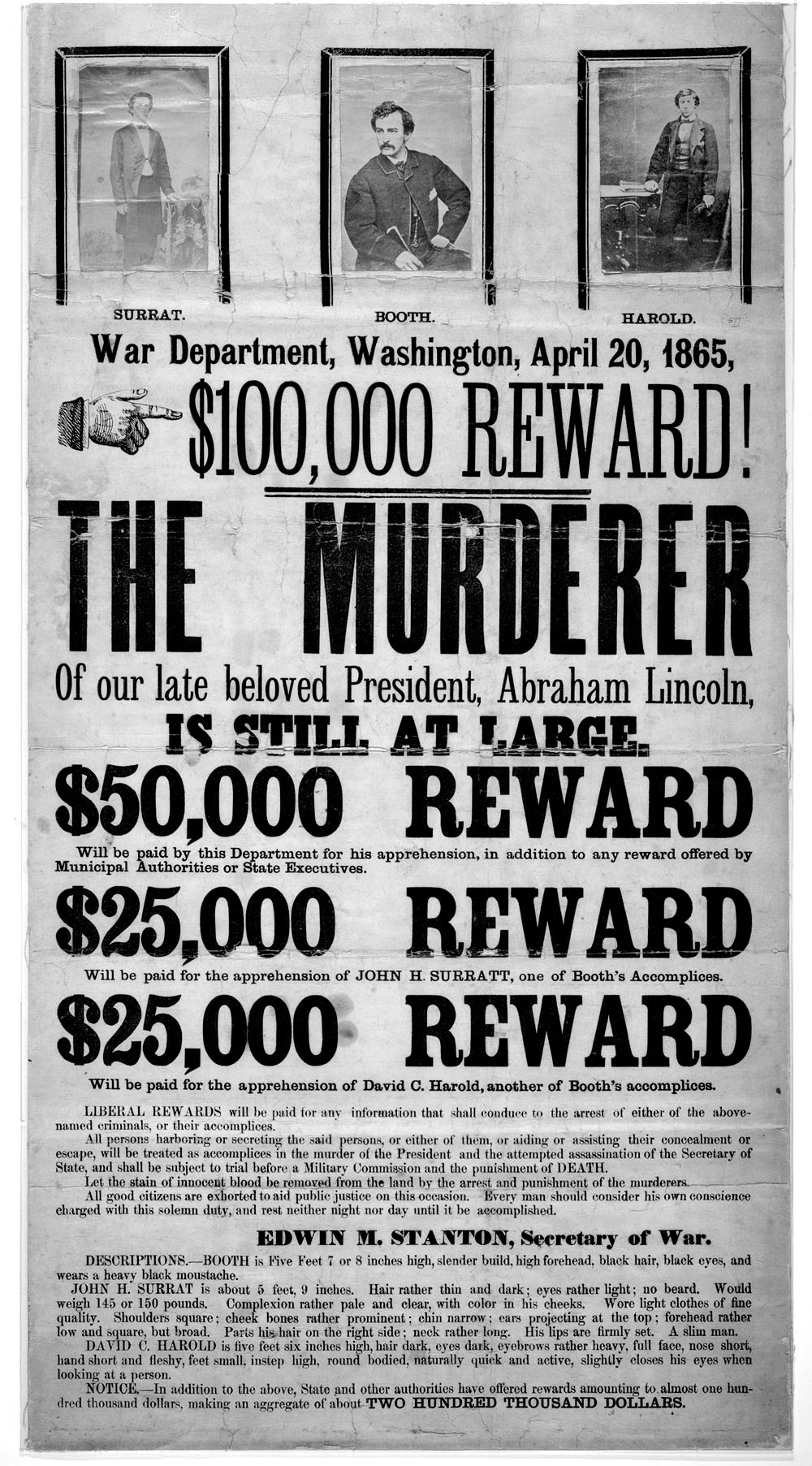
Thursday, 2 February 2012
Panic Room - Title Sequence Analysis
· Columbia Pictures in its original logo
· Columbia Pictures Presents in the font style with the urban backdrop.
· A Hofflund/Polone Production
· An Indelible Picture
· Jodie Foster
· Forest Whittaker
· Dwight Yorkman
· Jared Leto
· Panic Room (title of the film)
· Kirsten Stewart
· Ann Magnuson, Ian Buchanan
· Patrick Bauchau, Paul Schulze
· Casting by Laray Mayfield
· Costume Designer Michael Kaplan
· Music by Howard Shore
· Film Editors James Haygood .a.c.e., Angus Wall
· Production Designer Arthur Max
· Director of Photography Conrad W. Hall, Darius Khondji
· Produced by Gavin Polone, Judy Hofflund, David Koepp, Cean Chaffin
· Written by David Koepp
· Directed by David Fincher
These are the entirety of the titles in the opening credits.
Wednesday, 1 February 2012
Shutter Island - Opening Sequence Analysis
Here is the link to the video, the opening sequence commences at 0:00 and is analysed till 2:00 http://www.movie2k.to/movie-116256-Shutter-Island-film.html
Shutter Island;
- Director; Martin Scorsese
- Budget; $80,000,000(estimated)
- Gross profit; $294,804,195(worldwide)
- Production Companies; Paramount Pictures, Phoenix Pictures and Sikelia Productions
- Starring; Leonardo DiCaprio, Emily Mortimer, Mark Ruffalo and Ben Kingsley
Camera:
The opening sequence of ‘Shutter Island’ shows the Opening credits showing the production companies paramount, phoenix, Sikelia and Appian Way. The camerawork used in the first shots is font against a black background the first establishing shot comes in of a boat appearing from within the sea fog long shot shows the entirety of the boat. This is a classical establishing shot as it autonomously sets the opening narrative. The next most memorable use of camerawork in the opening sequence is by an over the shoulder shot not with another character with a mirror showing the characters reflection, the camera has been deliberately positioned to reveal this shot. This shot screams connotations of dual or split personality. Another shot which provokes the idea that the this character is troubled or of dual personality by the shot of him looking out of the porthole as if he is looking out at the world from an enclosed place, as if he is in a prison cell possible enigmas for the later narrative. This can be backed up by the sort of CCTV view shot overhead of the character while he is washing his hands in the sink as if the character is being seen from a variety of directions like he is being watched. The camera is also positioned at one point in the same place as the mirror breaking the 180 degree role and also that maybe we are now looking at a different aspect of the character. There is finally the ending shots of the opening sequence where a two shot has been used from behind showing the entirety of the characters and the surroundings there in. the shot then edits to a close up version of the characters talking among each other creating a link together something which will be present throughout.
Sound:
Opening sequence and credits there is orchestral music that’s is ringing very spooky and chilling, with the use of stringed instruments. The sound a fog horn and then the boat sounds, sounds of heavy breathing followed by the dialogue, ‘pull yourself together teddy’ ‘that’s a lot of water’ ‘come on’ all of this is said to him self as if he is psyching himself up for something or possibly connotations of crazy. There is constant ambient sound of the boat and clanking of metals which is visible on screen. There is also often the sound of a foghorn slightly pitched at various points as if to draw attention to them. There is also dialogue between the 2 characters when there a stood beside each other checking if the person is ok. Main theme of the dialogue throughout is a clear phobia to water or sea sickness.
Editing:
There are two types of editing used in the opening two minute sequence is straight cuts and the use of a wipe to reveal the title of the film. This exclusively limited use of editing techniques makes the opening sequence and the whole feeling surrounding the film to be one that’s just normal and straight, like nothing is out of the ordinary however with knowing it’s a thriller there is clearly going to be a twist and thrills and excitements throughout. This all makes the production seem tedious, and slightly boring.
Mise en Scene:
The Mise en scene in the opening two minutes to ‘Shutter Island’ has significantly positioned and deliberately used props and costumes to set the scene and also leave enigmas for the rest of the film. The first major prop or narrative extra put in is the use of a mirror, which immediately seems that the character either has a dual personality with looking at one face and another with the use of over the shoulder shots, makes you think you’re not seeing this person properly your seeing a reflection of him. In addition to this the director has used chains and handcuffs dangling from the ceiling to incite the feeling of slavery or prisoners the way in which the chains are clanking together its clearly evident that of something to come perhaps in someone’s past or an enigma left for the audience to discover. The plaster on the characters head also raises questions as to why its there or what happened? Something the audience doesn’t know is relevant or not but could be so is focussed upon. Could show that the character has been involved in a fight or has been the victim of some sort of attack of some kind. The costumes worn by the two characters we meet in this opening scene are typical to that of a detective or reported with the long overcoat and suit with a hat on.Sunday, 29 January 2012
Saturday, 28 January 2012
Conventions of a Thriller Opening Sequence
The conventions and characteristics of thriller opening sequences:
The opening sequence too many thrillers however different he genre be, can all draw similar characteristics and a normality throughout. When looking at some opening sequences and thinking of these characteristics I can confirm that some include;
· Setting of the scene, this done through establishing shots or the use of the scenery/locations used. This is also seen throughout other genres to.
· Introduction of characters, this is however seen throughout most genres.
· An enigma of some type or a reference to something later on in the storyline. These provoke the audience asking questions which shall be answered later on but intrigue the audience to carry on watching.
· Music, weather this is through deep percussion instruments or through other types of sound there is dramatic music.
Some examples of opening sequences that include these conventions and characteristics;
Inception (2010):
Directed – Christopher Nolan
Budget - $160,000,000
Gross Profit - $825,532,764
Genre – Action, Adventure
Examples of conventions used- Deep orchestral music used throughout the opening scene, with minimal use of dialogue. Another use is an enigma used in the form of the children, and initiates questions like: Why are they there? Who are they? Finally the setting of the scene has also been done not in terms of the whole film but in terms of that scene we are made aware it’s a beach, by the sea, and then are made aware that there is a house or building of some description of some type.
Cowboys and Aliens (2011):
Directed – Jon Favreau
Budget - $163,000,000
Gross Profit - $174,822,325
Genre – Western, SciFi
Examples of conventions used – The first obvious convention used is the setting of the scene like any, its shows a panning shot revealing a western, outback landscape with credits. The introduction of the main actor is then followed in an orthodox fashion of jumping up from the bottom of the screen. Could suggest many things from this however the seeming one is that he has woken up from being asleep or knocked out. The use of a futuristic bracelet and wound both act as enigmas together making the audience think like any good film about what are they and why are they there? This is enigma is also made noticeable to the character as he looks inquisitive as to what it is.
Journey to the Centre of the Earth (2008):
Directed – Eric Brevig
Budget - $45,000,000
Gross Profit - $101,702,060
Genre – Comedy, Children, Adventure
Examples of conventions used – Wasn’t Able to watch the opening sequence.
Subscribe to:
Posts (Atom)